Why Hoes Are Winning

Growing up, I often heard the phrase, “you can’t turn a hoe into a housewife.”
In 2026, it doesn’t carry the weight it once did. And I have to admit, that unsettled me at a point.
Not because women who are sexually liberal or promiscuous are undeserving of love or partnership, but because their being chosen destabilises a quiet moral ladder many of us were taught to climb. A ladder that promised: be good, be restrained, be respectable, and you will be rewarded.
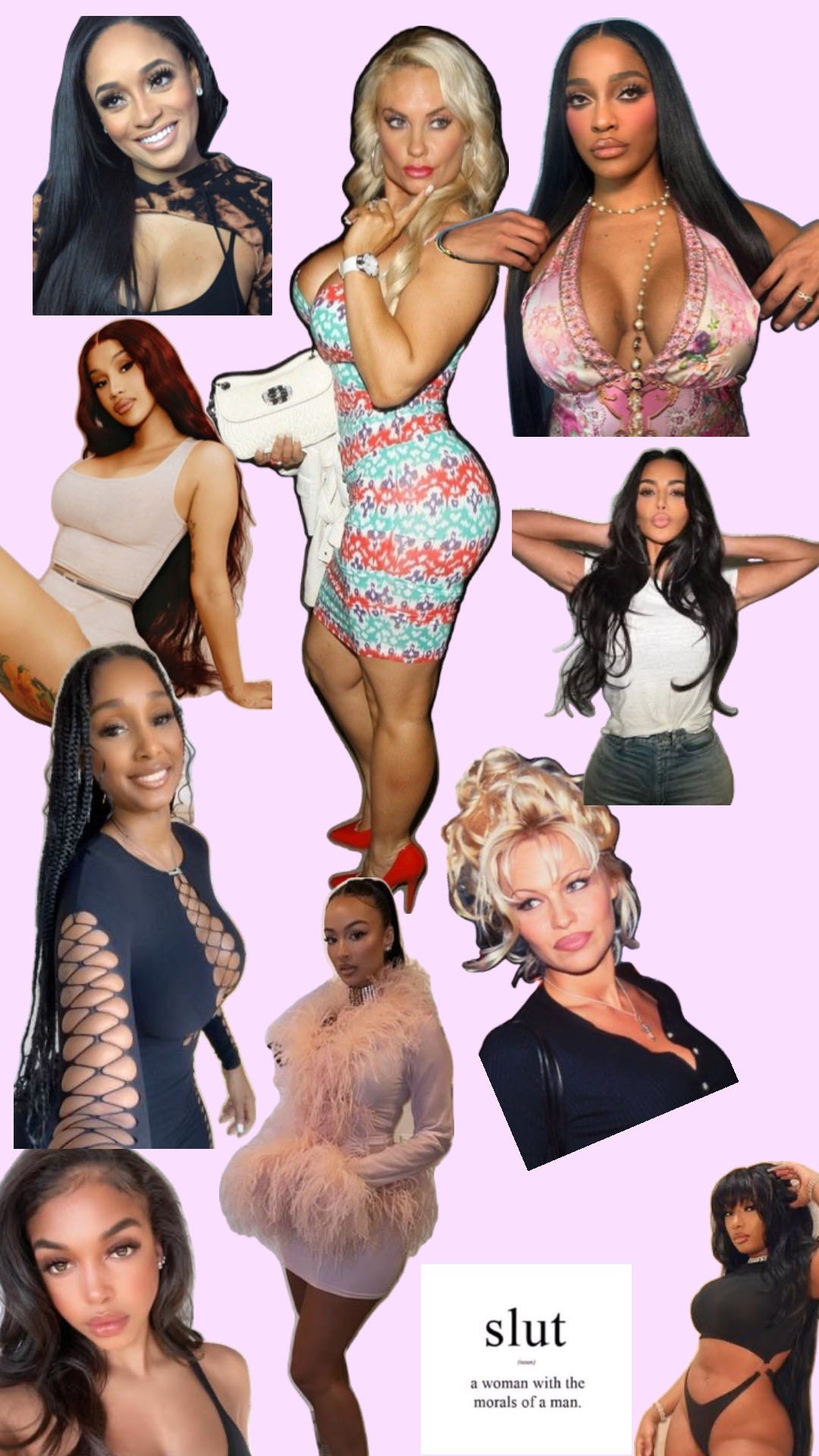
Their partnerships don’t break morality.
They break the fantasy that morality guarantees love.
Women’s sexuality has been policed for so long that the guards have changed. Patriarchy no longer needs to stand at the gates. We have internalised the job. Women now regulate each other more aggressively than men ever did, sustaining a ranking system that no longer needs outside enforcement.
Out of this, two expressions of sexuality appear to emerge.
The first is the woman who genuinely owns herself. She has sex on her terms. Her worth is not sourced from being selected, validated, or claimed. It is built through discernment, trust in herself, and autonomy. Her sexuality isn’t choreography for approval; it’s an extension of her authorship. She doesn’t need to be liked. She needs to be met.
The second is the woman who has learned that sexuality is a tool. A costume. A bargaining method. A way of holding attention and negotiating safety, affection, or status. This is where “pussy power” is born. Desire is no longer something she inhabits; it’s something she deploys. Her body becomes a contract.
When we talk about this second category, we usually imagine the woman society calls a “hoe.”
But here’s the uncomfortable truth: there is no clean line between hoes and non-hoes.
The so-called virtuous woman can live in the same dynamic. If she withholds sex not because it feels aligned, but because she believes restraint will earn her commitment or security, then her sexuality is still negotiated. Just in reverse. Same economy. Different currency.
So hyper-promiscuity and sexual repression aren’t opposites.
They’re reflections.
Two strategies built on the same belief: that a woman’s sexuality is a marketplace, and love is something you invoice for.
They are not different women.
They are women responding differently to the same system.
Once you accept there is no pure divide between the Whore and the Virtuous, it starts to make sense why some of the women we label as “whores” look like they’re winning.
Ice-T and Coco are a perfect example. Coco is overtly sexual. She monetises her body. She is unapologetic. And yet she has a husband who supports her, speaks life into her, celebrates her success, and doesn’t try to edit her.
That kind of love given to that kind of woman feels heretical to everything we were taught about who gets rewarded with partnership.
And I want to be careful here. I don’t believe women “attract” good or bad men as if character is a manifestation exercise. I believe Coco was met. She showed up whole, and someone capable of meeting wholeness met her.
Because Coco has self-authorship. There is no part of her being softened for legibility. No chapter removed to be more “wifeable.” She does not negotiate her identity for belonging.
And that is why the women we call whores so often look like they are winning.
They aren’t trading their bodies for acceptance.
They’re simply being.
And being is magnetic.
This is where resentment grows. Especially in women who haven’t yet developed authorship over their own lives.
She has the degrees. She owns the home. She drives the latest Mercedes. She’s disciplined, attractive, accomplished, a domestic goddess.
She is the kind of woman LinkedIn would propose to.
She is a PowerPoint presentation titled: “Why You Should Marry Me.”
And yet, she is still alone.
That feels unbearable. Because if love were contractual, she has paid in full.
I think this resentment has two roots.
First, what looks like virtue is often virtue signalling. Not goodness anchored in self, but goodness performed for outcome. These women weren’t given space to discover who they are beyond being the right kind of woman.
They’re the ones who say, “I am the table.”
Which sounds powerful until you realise no one wants to eat at a table with no food.
It’s like they built the foundations of a house and never furnished it.
They gathered credentials, but not identity.
They collected achievements, but not coherence.
There is no internal integration. No sense of self solid enough to stand without applause.
When you truly know yourself, your relationship to partnership changes. You stop auditioning. You stop waiting to be selected. You start selecting.
You move from:
Am I enough?
to
Is this aligned?
From strategy to curiosity.
From fear to honesty.
From branding to truth.
The second reason resentment exists is because we were taught that being “good” should be enough.
We criticise incel men for believing niceness entitles them to sex. But many women hold the same belief about love. We think kindness, discipline, achievement, and obedience should guarantee partnership.
That is still negotiation.
Still conditional.
Still scarcity.
Being a good person is not a down payment on love.
It is not store credit.
It is its own reward.
And this is why so many relationships collapse once they begin. Because what was offered wasn’t self. It was a résumé.
Take Porsha Williams and Cordell. She was conservative, restrained, careful. She edited herself into respectability. After the marriage ended, a different woman emerged.
Not because she changed.
But because she stopped curating.
Maybe she didn’t know herself then.
Or maybe she did and understood her truth wasn’t what would be selected.
Either way, the relationship couldn’t hold what wasn’t real.
And that’s my point. I’m not telling anyone to be more sexual, less sexual, freer, purer, louder, softer.
There is no formula that guarantees love.
The only love that lasts is the love that meets you unedited.
And the only way to experience that is to show up intact.
Men aren’t absent from this. They’re shaped by the same distortion.
Patriarchy doesn’t just regulate women’s sexuality. It warps men’s relationship to desire and ego. Many men date for optics, not intimacy. For story, not alignment.
They don’t want a partner.
They want a press release.
Women become badges. Proof of discipline. Evidence of worth. A moral certificate worn on the arm.
This is why the “bad boy” chases the “good girl.”
Not because she is his truth, but because she represents redemption.
Stability.
Legitimacy.
He borrows her morality instead of building his own.
And this is why so many men are quietly miserable in perfect-looking relationships. They engineered a partnership for appearance. Not honesty. That prison is the price of self-betrayal.
At the same time, many men are deeply drawn to women who are expressive, sensual, complicated, embodied. But choosing her would require releasing ego. Rewriting narrative. Risking judgment.
So women get split:
The one he desires.
The one he selects.
The Instagram baddie becomes fantasy.
The “good woman” becomes legacy.
Even when the fantasy woman is closer to his humour, temperament, and emotional truth, he suppresses that for the sake of presentation.
Women feel this. We always have.
This is why dating feels so disjointed now. No one is choosing from honesty. Everyone is choosing from optics. Romance has become a PR campaign.
Social media has made this worse. Our lives are curated, evaluated, archived. So instead of asking:
What feels true?
we ask:
What will look right?
And that is where authenticity dies.
When both men and women perform for approval, connection becomes secondary. Desire becomes tactical. Partnership becomes branding.
So when I say “hoes stay winning,” I’m not glorifying promiscuity.
I’m pointing to something more unsettling:
People who are deeply themselves often receive the love that people who are deeply performing never do.
Not because they are more deserving.
But because they are more visible.
So this isn’t a prescription. I’m not telling anyone to change their sexuality, ambition, softness, or restraint.
I’m asking something simpler:
Have you been seen?
Or have you been selling?
Because in 2026, the only commitment I’m making is this:
To stop auditioning.
To stop curating.
To be encountered fully.
Awkwardly.
Honestly.
Without negotiation.